

Why Self-Emptying Robot Vacuums Matter
Self-emptying robot vacuums automatically transfer dirt from a small onboard bin to a larger base or bag, cutting down how often you interact with the device. They represent a meaningful evolution in home cleaning technology by reducing manual emptying and improving hygiene.
This article explains how these systems work, the core components and benefits, trade-offs to consider, and practical buying and maintenance tips. Expect clear comparisons and realistic recommendations for daily use and troubleshooting advice.

How Self-Emptying Systems Work: From Robot to Base
From pickup to drop-off
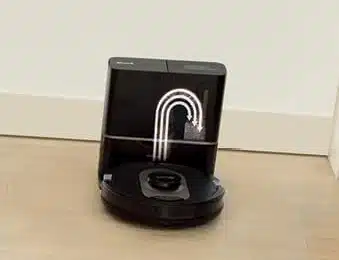
During a cleaning run the robot uses brushes and suction to sweep debris into a small onboard bin. When the run ends—or sooner if the robot’s bin sensor flags “full”—the bot navigates back to its dock, aligns physically with the base, and locks into an emptying posture. Think of it like a mail slot: the robot positions itself so the base can grab the contents without you touching the dirt.
How the base moves the dirt
Bases use one of three transfer methods:
Sensors and software coordinate this: alignment sensors ensure a tight seal before the motor starts; bin-full and dust-level sensors track when to run; timing algorithms prevent overuse of the base motor and retry if transfer misses material. In real homes, suction-plus-agitation often clears sticky clumps like damp cereal or pet fur more reliably than suction alone.

Sealed bags vs. bagless canisters
Sealed bag bases trap dust and allergens and can hold weeks of debris—good for allergy sufferers but requires bag swaps. Bagless bases collect into a reusable canister you’ll empty and wash; no consumables but more handling.
Quick tips
Next, we’ll open up the base and examine those parts in detail so you know what’s doing the heavy lifting.
Core Components and Technology Behind Self-Emptying Bases
Robot dustbin, alignment, and one-way valves
The robot’s small onboard dustbin and its hatch are the first link in the chain. Alignment guides (physical rails, IR beacons, or pogo-pin contacts) help the robot dock squarely; a poor seal = missed transfers. One-way valves or flaps keep dust moving into the base and prevent backflow or odor. Quick tip: inspect the bin latch and valve for hair build-up—most transfer failures trace to a sticky flap.
How bases move and store debris
Bases use different mechanical strategies:
Cyclones handle fine dust better; compression helps with hair and large clumps. If you have shedding pets, favor agitation + compression or stronger suction.
Filtration and anti-allergen design
Filters range from washable foam pre-filters to HEPA-grade cartridges that trap 99.97% of 0.3 μm particles. Anti-allergen seals and sealed disposable bags reduce exposure during emptying. Best practice: replace disposable bags and HEPA filters on schedule—many manufacturers recommend 2–6 months depending on use.
Connectivity, firmware, and alerts
Wi‑Fi + app/cloud features schedule emptying, push “base needs attention” alerts (bag full, jam, filter change), and receive OTA firmware fixes. Enable notifications and auto-updates to catch misalignments or suction issues early.
Size, design, and compatibility trade-offs
Bases vary in footprint and height—some add 20–30 cm depth and may block low furniture. Check robot-model compatibility (docking ports and firmware support) and measure your dock area before buying.
Benefits: Convenience, Hygiene, and Cleaning Performance
Convenience: more hands-off living
Self-emptying bases turn weekly chore time into occasional maintenance. Instead of emptying a tiny onboard bin after every run, you can let models like the iRobot Roomba i7+/s9+ or Roborock S7+ operate for weeks. For busy households, shift workers, or frequent travelers, that means consistent cleaning without breaking your routine—set schedules, go on a trip, come back to floors that were maintained automatically.
Hygiene: less dust in the air and fewer allergy triggers
A sealed base with a disposable bag or HEPA filtration dramatically reduces your exposure to dust when compared with manual emptying. If someone in the home has allergies or asthma, favor systems that advertise HEPA-grade filters and sealed bags (e.g., many Roomba bases and Ecovacs auto-empty stations). Pet owners also benefit: bases with compression or stronger suction handle clumps and hair better, keeping more debris locked away.
Cleaning performance: longer runs, steadier suction
Bigger base capacity lets robots finish longer or more frequent cycles without pausing for human intervention, so multi-room or multi-floor cleaning is more reliable. Keeping the small onboard dustbin empty reduces mid-cycle clogging and brush load, which helps the robot maintain suction and navigation performance across a session.
Quick practical tips:
Next up: we’ll weigh these advantages against the trade-offs—costs, size, and maintenance realities—to help you decide which system fits your home.
Trade-Offs and Limitations: What to Watch For
Cost and physical footprint
Self-emptying systems add real dollars and inches. Expect higher upfront prices than plain robot models, plus ongoing costs for disposable bags, filters, or proprietary cartridges—plan on replacing bags or filters every 1–3 months depending on usage. Bases are also bulkier than a docking station (roughly the size of a small side table); measure before you buy if space is tight.
Noise, airflow and failure modes
Empty cycles are brief but audible—think a small upright vacuum for 5–20 seconds—and the suction/airflow can kick up when the base evacuates the robot. Clogs, misalignments, or worn seals can interrupt emptying; common quick fixes include clearing hose passages, reseating the robot on the dock, and replacing seals or bags.
Repairability and service considerations
Many bases use bespoke parts (bags, motors, seals). Check brand support and spare-part availability—iRobot and Roborock have good networks, while smaller brands may be harder to service. Warranties vary; extended plans can be worth it for motor-driven bases.
When it might not be ideal
Practical tips you can apply now
Privacy and connectivity
Smart features mean Wi‑Fi, cloud storage, and voice integrations—review privacy policies, enable firmware updates, and use strong passwords or local-only settings if you’re privacy-conscious.
Buying and Maintenance Guide: Choosing the Right System and Keeping It Working
Key selection criteria
When shopping, match features to your home and habits:
Maintenance must-dos and simple troubleshooting
Routine care keeps performance high:
Quick fixes: use a flexible brush or thin crevice tool to clear hoses, reseat the robot multiple times, and consult logs in the app for error codes.
Environmental and longevity tips
Next, we’ll pull these threads together to help you decide whether self‑emptying is the right fit for your home.
Putting It Together: Is Self-Emptying Right for You?
Self-emptying robot vacuums offer clear convenience and hygiene gains by reducing manual emptying and lowering allergen exposure, and can improve cleaning consistency. However, they add cost, a larger home footprint, and ongoing consumable expenses that affect long-term value.
Weigh your lifestyle, household size, allergy concerns, and environmental preferences when deciding. An informed purchase plus regular maintenance — filter changes, base cleaning, and firmware updates — will maximize performance and the system’s lifespan overall.





Honestly, the biggest downside I’ve noticed is the occasional jam when large crumbs or cereal fall into the base at the wrong angle. Article mentioned trade-offs but maybe emphasize real-life jam scenarios more.
Yep — I keep a small flashlight and a pair of tweezers by the base now. Seems excessive but hey, no one wants to reopen a full bag to fish out a rogue granola.
Protip: set a short ‘no-go’ barrier (like a 2-inch foam piece) near snack spots. The robot learns and avoids it, and your base jams drop significantly.
Good point, Tom. I mentioned jamming briefly under ‘Trade-Offs and Limitations,’ but I can expand with examples and troubleshooting steps (e.g., how to clear the base safely, what to avoid dropping near the robot when it’s returning).
Short and blunt: love the convenience. Hate the extra cost. The article did a good job outlining the trade-offs.
If anyone’s compared Shark AI Ultra Robot Vacuum with Self-Empty vs the 30-Day variant — is there any real difference besides marketing? Both seem to be the same model with different bundling of bags.
I checked both before buying. The 30-Day pack included more bags in the box, but the robot itself was the same. If you’re budget-conscious, buy the basic unit and third-party bags online.
Good question. Often the differences are in included accessories and the size/number of included disposal bags (and sometimes software features). The core robot can be identical; the “30-Day” label sometimes refers to a bundle that comes with extra bags.
Always check the product details on Amazon to see what’s included.
Also watch for seasonal discounts — got mine cheaper during Prime Day with extra bags. So yeah, bundles matter.
Thanks — good to know. I’ll hunt for deals and not get tricked by the label.
And a tip: read recent reviews — manufacturers sometimes change included extras in new listings even if the name stays the same.
This whole self-emptying thing is life-changing for people with allergies. I have bad hayfever and the fewer times I have to handle dust, the better. Still, maintenance is key — the article’s maintenance checklist is gold.
Couple of real-world notes:
– Check for clogs where the robot connects to the base; hair wraps there a lot.
– Replace seals if you smell a vacuum-ish odor after a while.
Thanks for covering hygiene as a big benefit.
Thanks for sharing those practical tips, Priya — they’re exactly the kind of on-the-floor advice that helps readers. Clogs at the docking port are common, so regular checks are smart.
Good tips. Didn’t think about seals — will add that to my quarterly checklist.